About
An Africa-rooted research programme on subnational climate implementation
Designed for states, provinces, counties, regions and cities, with methods adapted to different institutional and fiscal systems.
The problem we exist to work on
Climate commitments are difficult to translate into observable, attributable implementation
National targets are set nationally. Most of what must happen next — planning, budgeting, procurement, construction, regulation, maintenance, monitoring — happens inside institutions below it. In many places nobody can yet say, from the public record, how that is going.
- Who is responsible?
- What authority do they have?
- What resources were committed?
- What was actually spent?
- What was delivered?
- What changed, and how was it measured?
Mission
Make subnational climate implementation visible enough to improve it.
Vision 2030
By 2030, CAI aims to make climate implementation across climate-vulnerable and under-observed subnational jurisdictions traceable from public responsibility and resources through delivery and measurable results — so governments and their partners can fix bottlenecks, direct resources more intelligently and demonstrate meaningful progress.
Who we are
Born out of CCAIE's larger mission
The Climate Action Index was born out of CCAIE's larger mission: to improve climate readiness and strengthen the practical foundations that enable institutions to move from commitments to informed action.
Climate Action Index is CCAIE's institutional research and implementation-intelligence platform: the programme through which the Centre builds independent evidence on how climate commitments are, or are not, being implemented below the national level.
We work with a team of volunteers, technical partners and advisors to ensure the research is grounded in novelty and evidence.
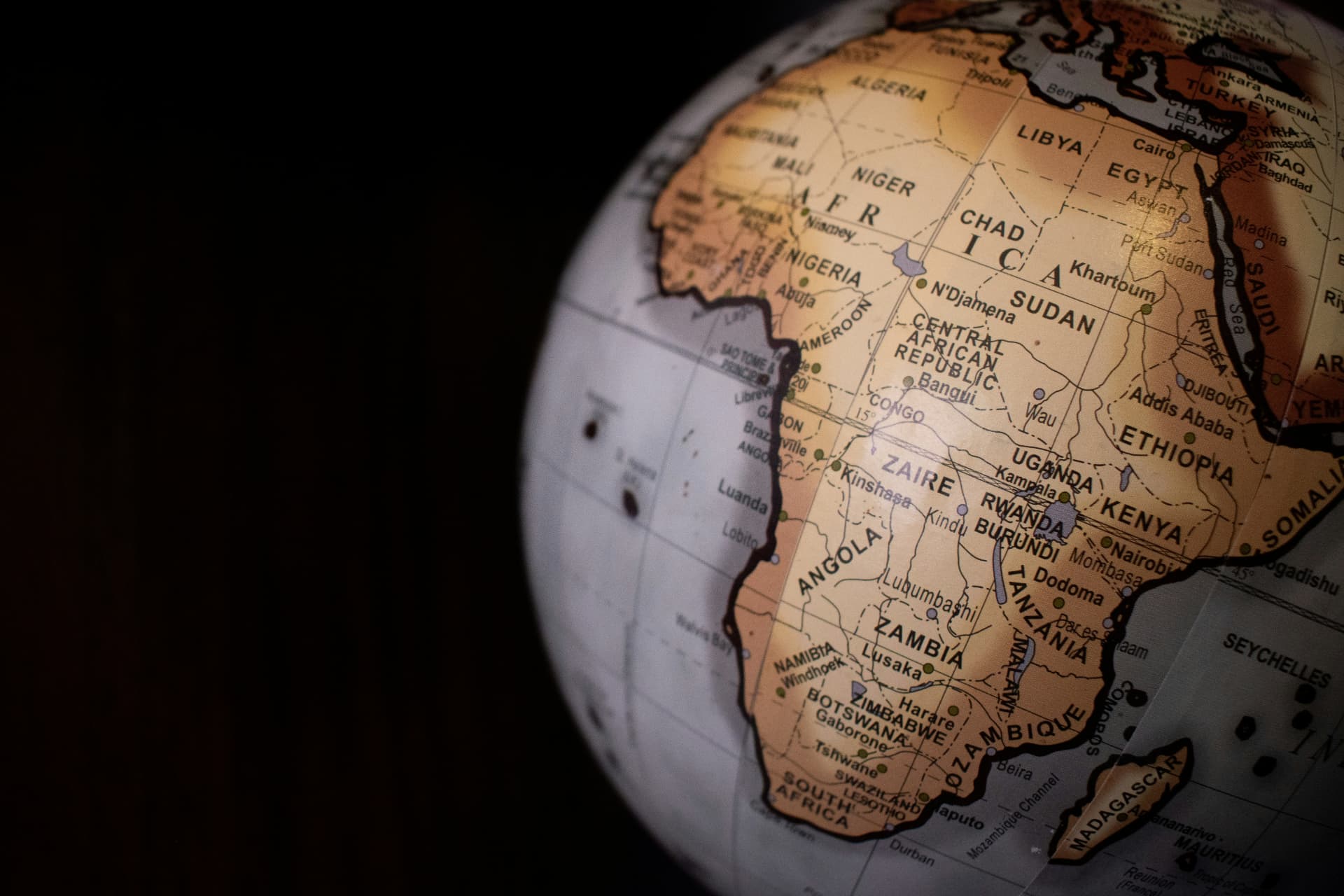
Why Africa-rooted
Where the decisions are being made
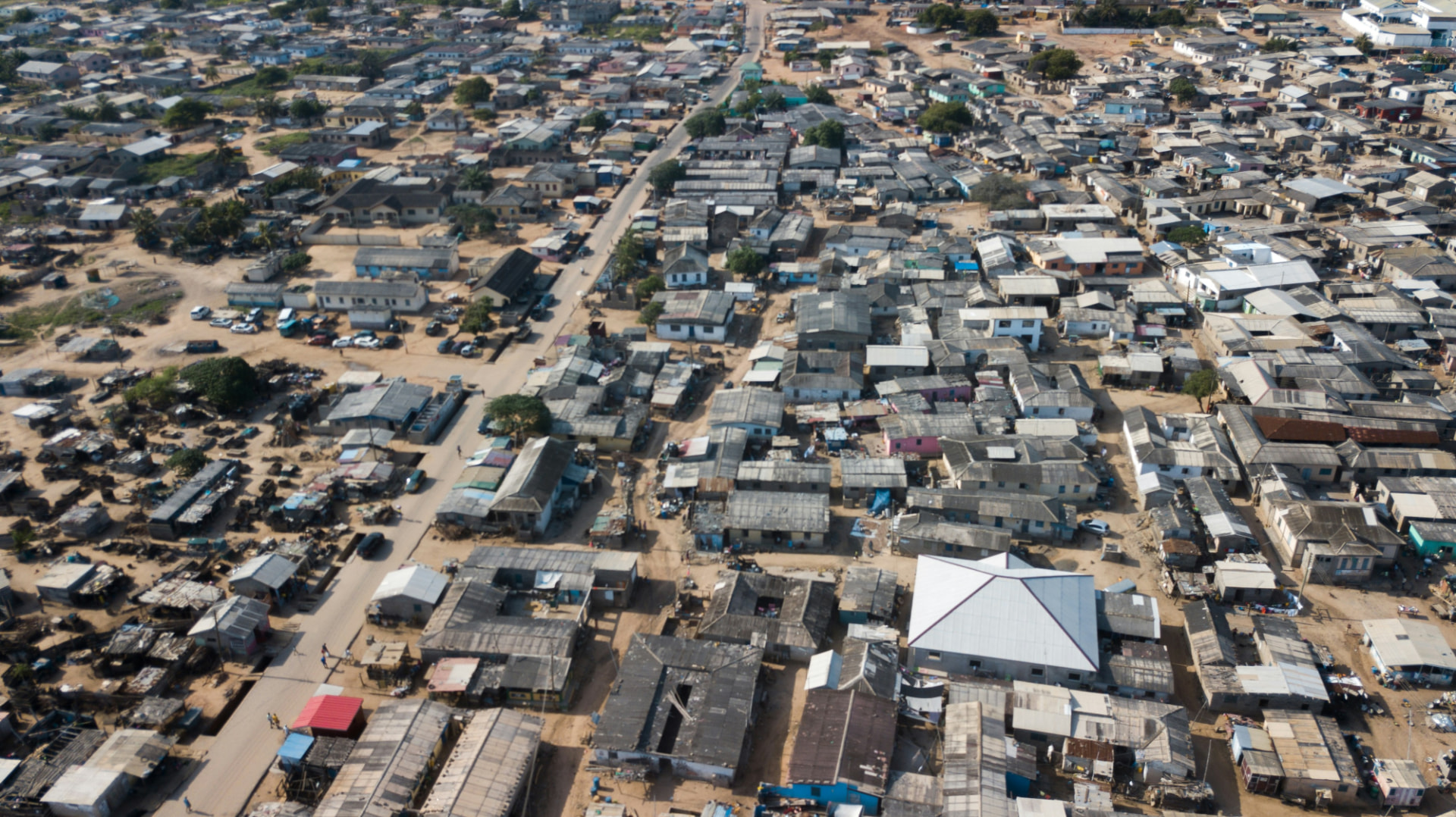
High exposure, uneven observation
High exposure, uneven observation
Many of the jurisdictions most exposed to climate risk are also the least systematically observed. Implementation intelligence has to be built where it is missing, not imported from where it already exists.
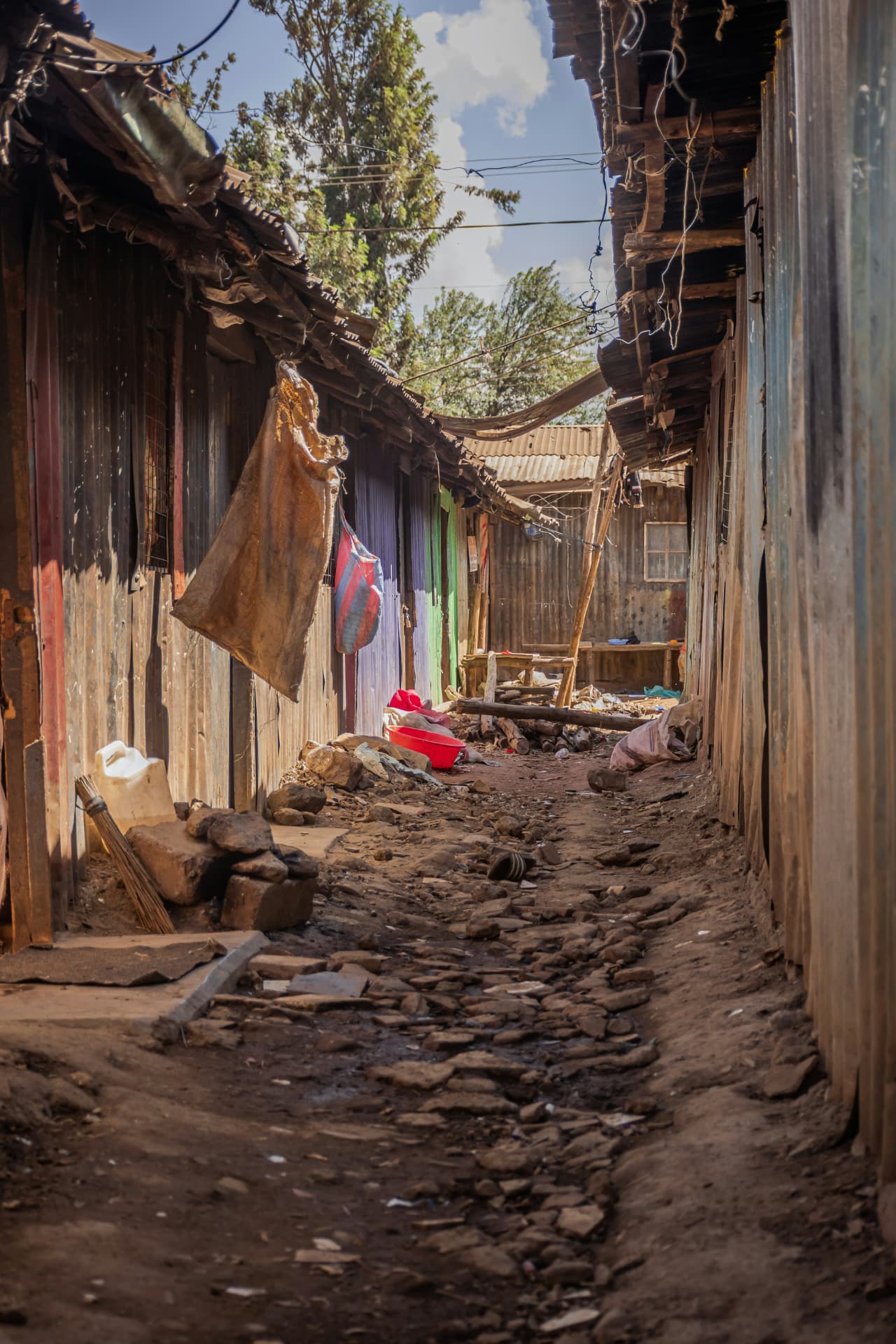
Infrastructure systems still being decided
Infrastructure systems still being decided
A large share of the continent's urban infrastructure, transport, drainage, water and energy systems is still to be built. The institutions that plan, finance and maintain them are being shaped now.
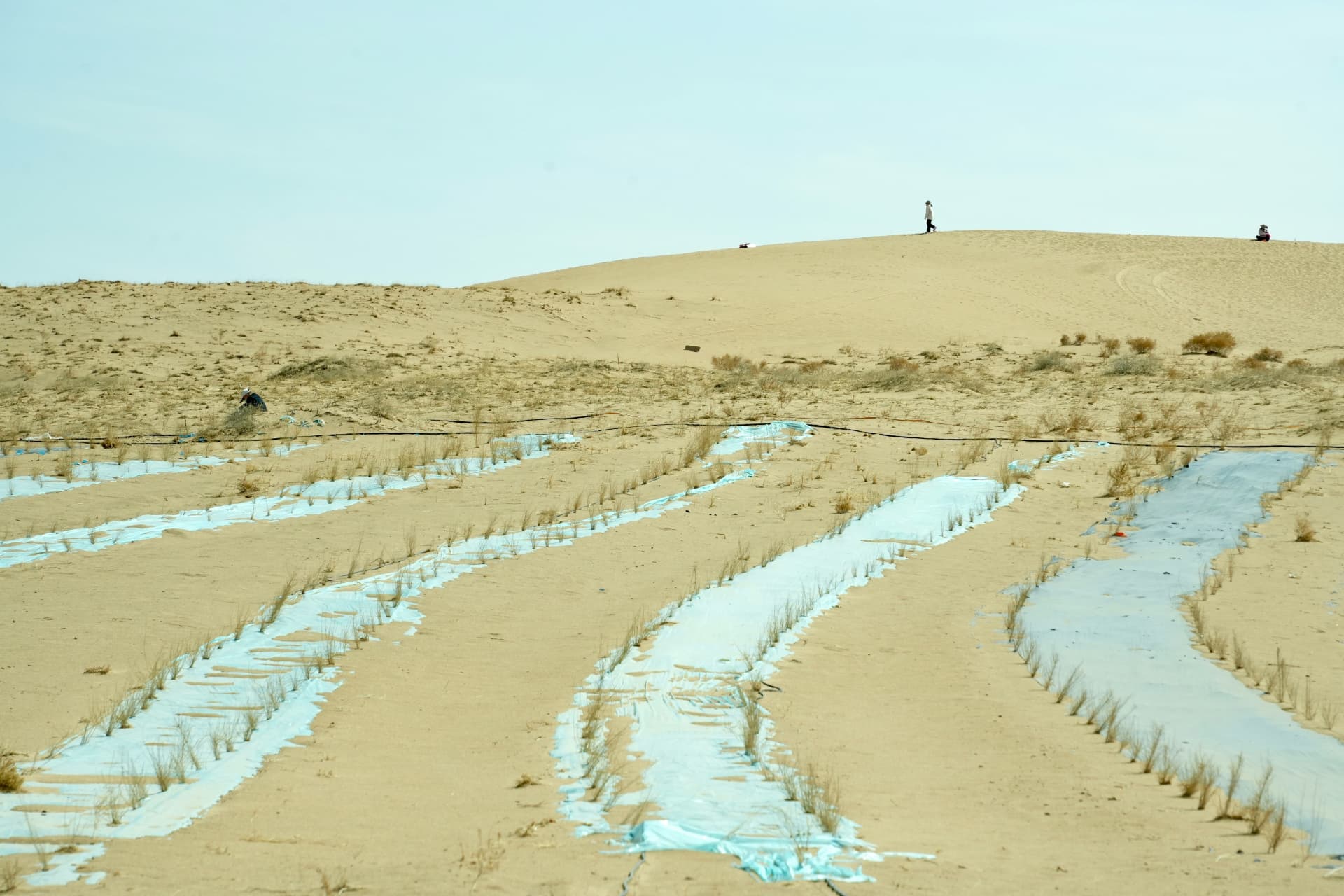
A large finance deficit, and a case to be made
A large finance deficit, and a case to be made
Africa's climate-finance needs are met only in small part. Governments that can show what they are responsible for, what they spent and what changed are better placed to make the case for support.
Diverse subnational institutions
Diverse subnational institutions
Federations, unitary states, devolved counties, provinces and metropolitan authorities all hold different powers. That diversity is a research asset: it forces methods to be explicit about what transfers and what does not.
A site of institutional innovation
A site of institutional innovation
African subnational governments are already experimenting with climate budgeting, resilience offices, sector coordination and city plans. CAI exists to make that work visible and comparable, not to describe deficit alone.
How CAI is governed
Independent evidence
Primary public records, adjudicated under a written evidence protocol.
Methodological transparency
Definitions, evidence rules and missingness codes published with every release.
Version control
Releases are numbered, archived and never overwritten.
Correction & right of reply
Findings can be disputed; corrections are adjudicated and logged.
Support ≠ assessment
Technical support never determines assessment outcomes.
Public-interest research
Findings and methods are published openly — never sold.
The Climate Action Index is not a catalogue of deficits. It shows where climate implementation is taking shape—and where it remains hard to see, support or measure.
It focuses on places where exposure is high, evidence is uneven, infrastructure choices are still being made, and financing needs are substantial. It also captures where institutions are evolving, capabilities are growing, and better delivery systems are beginning to emerge.

Work with CAI, or contact CCAIE about the programme.
Click to see the progress made so far